Journal
How a custom ring is made, from photo to polish
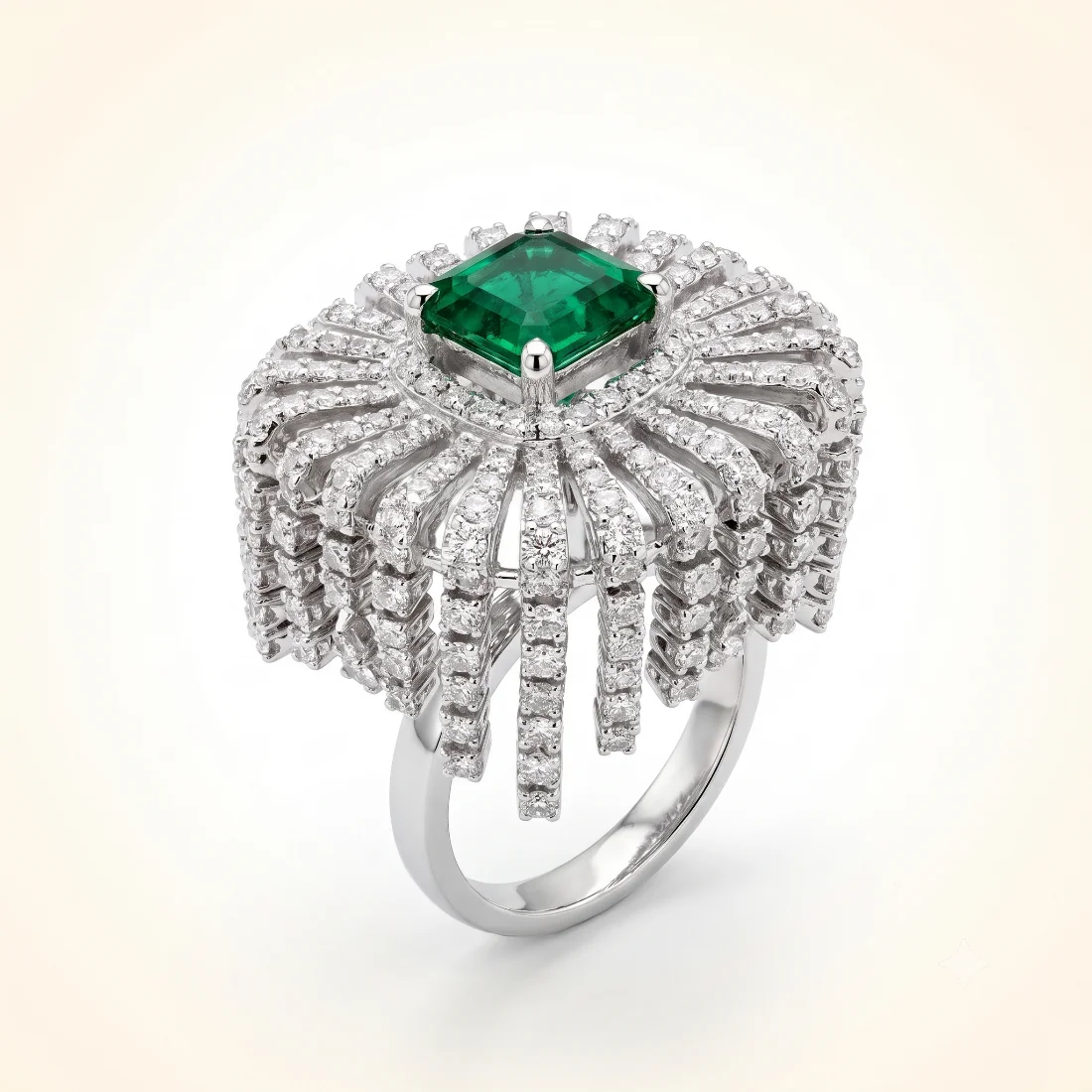
Most custom rings begin with an image saved from a screen or a photograph of an heirloom piece. The path from that initial reference to a finished ring resting in a box involves gemmology, clear communication, and traditional benchcraft. Understanding what takes place at each stage gives clarity to the process and ensures the final piece matches the original intention.
What the workshop needs before work starts
A client often begins by sharing a photograph, a sketch, or references to explain the proportions they admire. The workshop examines these references to understand the structural demands of the design, such as band width, head height, and how the mount balances on the finger. Before metal is cast or a stone is set, every detail is resolved on paper and agreed upon. The house prepares an itemised estimate that separates gold, diamond, making, and GST. The client selects gold in the karat of their preference, ensuring the purity and colour tone meet their requirements. The house buys its diamonds and its gold directly, and makes every piece at its own workshop in Mumbai. The Bharat Diamond Bourse is the office address, not the workshop. Because nothing sits between the family and the client, no cost is added by a dealer, an outside factory, or a reseller along the way. Nothing is taken from stock, and no inventory carrying cost is built into the price. Work begins only after the client approves these figures, ensuring complete clarity before the piece takes shape.
Choosing the stone
A made-to-order piece is built around stones the family has sourced and selected, rather than forcing a diamond into a ready-made commercial mounting. The family draws upon three generations in jewellery manufacturing, Mumbai, procuring and sorting natural diamonds for their cut, colour and clarity. Each diamond is inspected individually to evaluate how its facets handle light and how its outline will balance within the design. For a solitaire or bespoke jewellery, the shape of the stone governs the geometry of the entire ring. The length-to-width ratio, pavilion depth, and girdle thickness are evaluated with precision to guarantee structural stability once mounted. The house presents natural diamonds that align with the aesthetic and structural requirements established in the initial discussions. Because every piece is made to order around stones the family has sourced directly, the client evaluates stones curated specifically for custom work. Nothing is mass-produced and nothing is taken from stock. Once the client confirms the diamond, the workshop uses the stone's exact physical dimensions to develop the setting.
Designing the setting
With the central diamond selected, the workshop translates the reference photographs and measurements into a technical blueprint. A digital model is developed to calculate the wall thicknesses of the band, the placement of the gallery, and the alignment of each prong. This stage ensures that the delicate visual details seen in a reference photograph balance with the durability needed for daily wear. The digital rendering allows proportions to be reviewed from every angle, confirming that the stone rests at the desired height above the finger. If the design includes accent diamonds, their seats and spacing are calibrated directly against the dimensions of the primary stone. The workshop verifies that gold in the karat the client chooses will support the prongs without crowding the diamond facets. Once the model is verified, a high-resolution castable wax resin pattern is produced from the design file. This physical pattern reflects the exact dimensions of the finished piece, allowing the bench jeweller to confirm the fit before casting in precious metal.
Casting, setting and the benchwork
The resin pattern is invested in a plaster mould and burnt out to leave a clean void, into which molten gold in the karat the client chooses is poured. Once cooled, the raw gold casting is divested, cleaned, and handed to the bench jeweller in the Mumbai workshop. The jeweller removes casting sprues, trues the circular profile of the band, and files the surface to establish crisp edges and uniform curves. The mount is then prepared for the setter, who cuts precise bearing seats into the metal prongs using hand gravers. For natural diamonds, this seat must mirror the angle of the pavilion and girdle exactly so the stone rests level without rocking. The setter slowly coaxes the gold prongs over the crown facets using hand tools, applying balanced pressure to secure the diamond in place. Each prong is shaped, rounded, and burnished so that it grips the stone securely while leaving facet edges clean. Benchwork requires steady hand skills and sharp focus, ensuring the setting holds the diamond safely throughout years of wear.
Finishing and the final checks
After the stone is secured, the ring enters the finishing phase where the raw metal surfaces are brought to their intended lustre. The bench jeweller uses a sequence of abrasives, ranging from emery sticks to fine polishing compounds, working carefully around prongs to avoid touching facet junctions. The underside of the gallery and the inner surface of the shank are polished to ensure complete comfort against the skin. Once the high polish or satin texture is achieved, the ring is cleared of all polishing compound using an ultrasonic bath and steam cleaning. The piece then undergoes a series of final quality inspections under magnification. A gemologist verifies that the diamond sits level, that all prongs seat flush against the crown, and that the stone is completely immobile in its mount. The karat markings and hallmark stamps are checked for clarity on the inner band. The finished ring is then weighed and examined against the original technical specification to confirm that it matches the approved estimate in every regard. Trilliant Jewels creates bespoke diamond jewellery in Mumbai under the guidance of Veer Mehta, GIA Graduate Gemologist. A request is answered with a free itemised estimate listing gold, diamond, making and GST separately, with a stated 24-hour turnaround. This estimate is kept whether the piece is ordered or not.
More in the Journal
Send a photo, get an itemised estimate
Tell us what you have in mind and we will reply with the gold, the diamond, the making charge and GST listed separately. It is free, it is yours to keep, and there is no obligation to order.
Get an estimate