Journal
How to read a diamond certificate before you buy
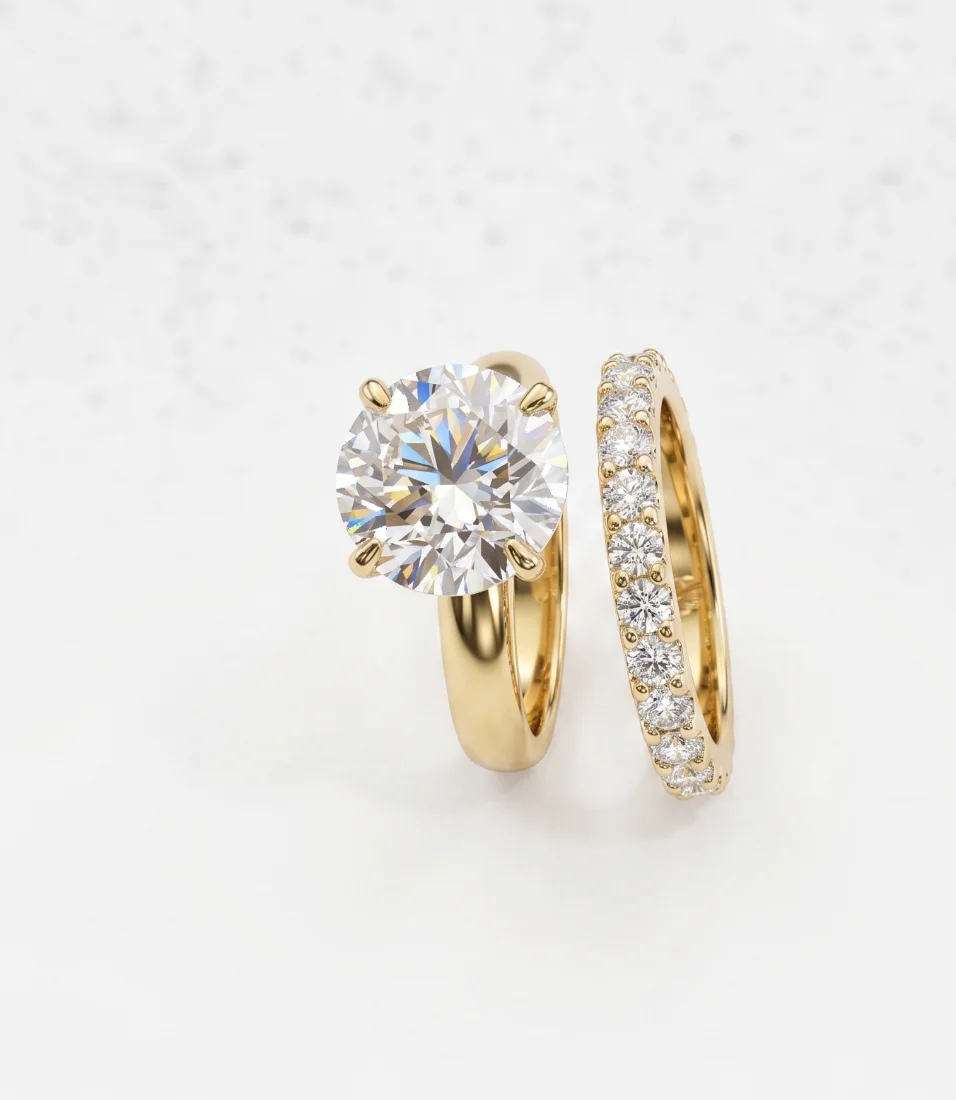
When you set out to buy a diamond in Mumbai, you will almost certainly be handed a folded document covered in numbers, grades, and diagrams. Most people look at the sheet, see an unfamiliar vocabulary, and wonder what any of it means for the stone resting in front of them. This guide explains how to read that document with confidence, so you understand what you are assessing before you make a decision.
What a grading report actually is
People often call this document a certificate, but gem laboratories issue grading reports. A laboratory does not certify a diamond, and it does not certify jewellers. The report is an impartial record of the physical characteristics of a natural diamond, assessed under strictly controlled laboratory conditions. The document details the weight, proportions, colour, and clarity of the stone. It is not an appraisal, it assigns no financial value to the diamond, and it is not a guarantee of beauty or quality. It is simply an objective description of the stone at the desk of the gemologist who examined it. A grading report provides an independent baseline, but it never replaces the experience of inspecting the diamond with your own eyes.
The four Cs, in the order they matter
Most buyers are taught the four Cs as an equal list, but they do not influence the appearance of a stone in equal measure. Cut matters most. It dictates the way light enters the diamond, bounces across its facets, and returns to your eye as brilliance and fire. A stone with exceptional colour and clarity can still look lifeless if the proportions are cut poorly. Conversely, an excellent cut can make a diamond look bright, lively, and visually larger than its carat weight suggests. Always examine the cut grade before anything else. Carat weight comes second because it determines the physical size of the stone in your setting. Carat is purely a unit of weight, not a grade of quality. Two stones with the identical carat weight can look noticeably different in size depending on how their weight is distributed across the depth and spread of the cut. Colour is third. The colour scale runs from D to Z. Stones graded D, E, and F are completely colourless, while those further down the alphabet show subtle tints of yellow or brown. In everyday wear, diamonds in the near-colourless range face up clear and white, especially once mounted in gold. Clarity comes last on the priority list. Clarity grades evaluate natural internal inclusions and surface characteristics under ten times magnification. Almost all natural diamonds have tiny internal features formed deep within the earth. Many clarity grades contain inclusions that cannot be seen with the unaided eye. Paying for a clarity level beyond what your eye can perceive rarely alters how the jewel looks when worn.
What a report does not tell you
A grading report provides precise measurements, but it cannot describe the individual character of a diamond. It does not explain where an inclusion sits in relation to the design of the mount. An inclusion hidden under the outer edge where a gold claw will rest is far less noticeable than one sitting in the very centre of the table facet. The report also does not evaluate the finished jewellery. A loose stone might carry a high grade on paper, but poor bench work can spoil the final result. If the metal claws are clumsy or the setting is misaligned, the beauty of the diamond is compromised. A grading report is about the loose stone alone, not the skill of the workshop that sets it.
How to check the report is about your stone
To be certain that a grading report belongs to the diamond in front of you, look for the unique report number. Most modern natural diamonds carry this number micro-laser inscribed onto the outer edge of the stone, known as the girdle. You can ask to view this inscription using a ten-times loupe or an optical microscope. You can then match that inscription to the number printed on the document, and check the laboratory records online to confirm the details. You should also check the physical measurements listed on the report. These dimensions give the length, width, and depth in millimetres. A jeweller can measure the loose stone with a digital micrometer while you watch. When the weight, dimensions, and inscription match the document, you have verified the stone.
Questions worth asking before you pay
Before committing to a purchase, ask to see the diamond under natural daylight rather than dedicated showroom lighting. Spotlights can flatter an ordinary cut and disguise imperfections. Ask whether the diamond is eye-clean from the top, meaning free of inclusions visible to the naked eye. Ask who makes the finished piece and where it is produced. When a piece of jewellery passes through a dealer, then an outside factory, and then a reseller, a cost is added at each of those three stages. A piece made directly in a workshop avoids these intermediary markups. Take your time, compare stones, and never feel pressured to buy without full clarity on the components. At Trilliant Jewels, Veer Mehta is a GIA Graduate Gemologist, representing a family house with three generations in jewellery manufacturing, Mumbai. A request is answered with a free itemised estimate listing gold, diamond, making and GST separately, with a stated 24-hour turnaround, kept whether the piece is ordered or not.
More in the Journal
Send a photo, get an itemised estimate
Tell us what you have in mind and we will reply with the gold, the diamond, the making charge and GST listed separately. It is free, it is yours to keep, and there is no obligation to order.
Get an estimate