Journal
Making charges on gold jewellery, explained
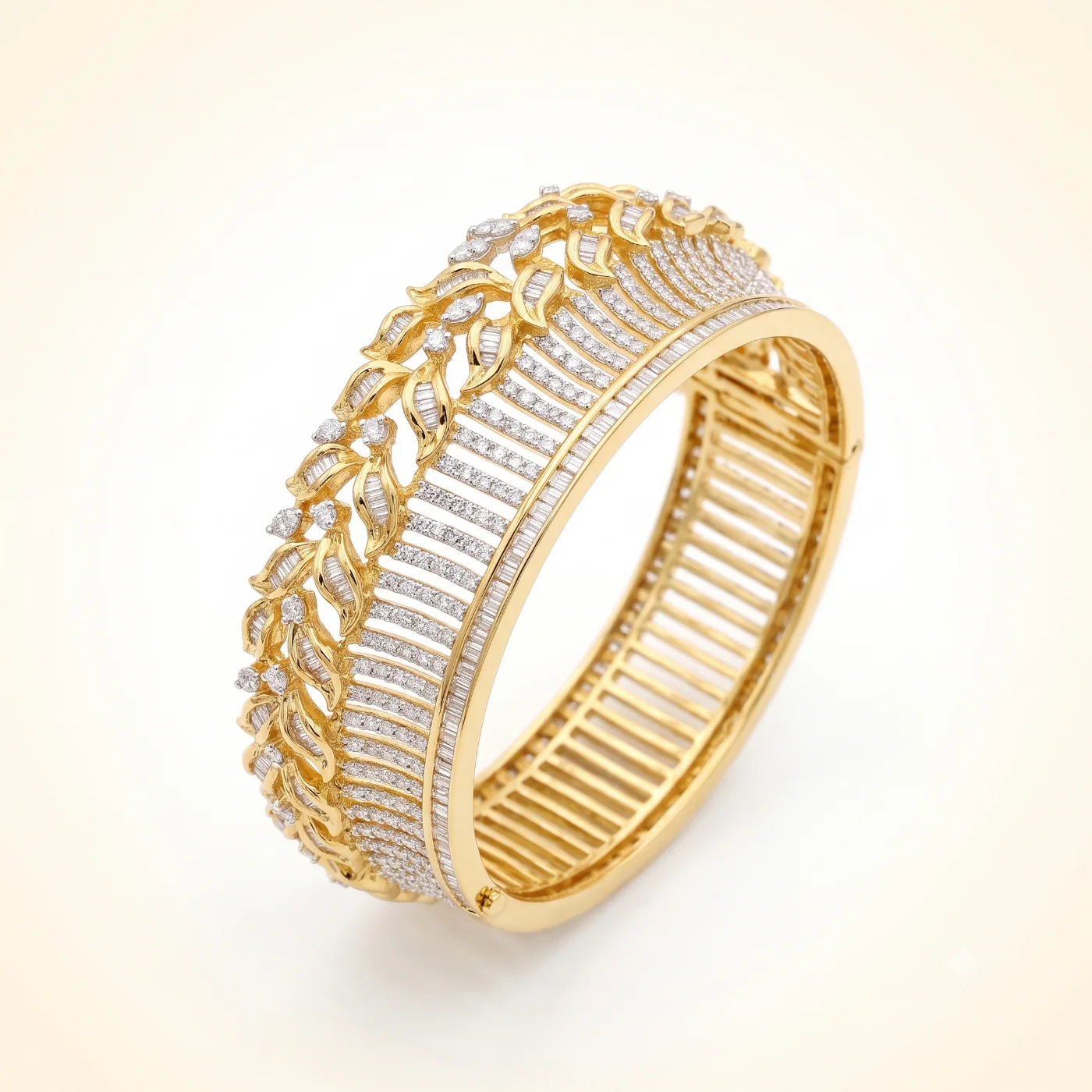
A jewellery quote in Mumbai often leaves a buyer puzzling over a single line item labelled as the making charge. When looking at two different estimates for an identical piece, that particular figure can vary widely without any clear explanation. Understanding how that charge is built allows a buyer to evaluate any quotation on its own merits.
What a making charge actually pays for
A making charge represents the cost of turning raw gold into a finished piece of jewellery. It pays for the bench work, the setting of stones, the polishing, and the technical labour involved in casting or fabricating the mount. Every design requires skilled craftspeople to alloy the metal to the chosen karat, shape the components, and solder them together cleanly. This fee also accounts for the time required to cut seats for stones and secure each claw properly. It is entirely separate from the intrinsic value of the metal itself and separate from the price of any natural diamonds mounted in the setting. The complexity of the piece directly influences the amount of workshop time required. A plain band requires straightforward casting, sizing, and surface finishing, which takes relatively little bench time. A bespoke setting with intricate pierced work, multi-stone pavé, or complex prongs demands hours of precise microscopic labour from an experienced setter. Gold is also lost as dust during filing, cutting, and polishing, and workshops must account for that processing loss within their operational expenses. Ultimately, the charge is meant to reflect genuine skilled human effort and workshop facilities rather than the fluctuating market price of raw commodities.
Per gram, or a percentage of the gold
Jewellers generally calculate this charge in one of two distinct formats. The first format is a rate per gram of the finished gold weight. Under this method, the customer is quoted a specific monetary fee for every gram of metal used in the completed mount. This approach ties the labour cost strictly to the physical mass of the gold being worked. It provides a degree of predictability because an increase in gold market rates does not automatically alter the fee charged for the bench labour. It also makes it straightforward to verify the calculation by multiplying the stated rate by the net weight of the gold. The second format presents the charge as a percentage of the total gold value. In this structure, the cost of the metal is calculated first, and a stated percentage of that monetary sum is added on top as the making fee. This method ties the price of workshop labour directly to commodity market movements. When the daily price of gold rises, the calculated making fee rises along with it, even though the bench labour required to build the ring remains identical. A percentage model can obscure whether the charge reflects the genuine intricacy of the goldsmithing or simply the value of the raw material.
Why two jewellers quote differently for the same design
When two jewellers provide quotes for what appears to be the same design, the making charges can look entirely different. One reason lies in how the piece is produced and how many entities handle it before it reaches the customer. A piece which passes through a dealer, then an outside factory, then a reseller carries a cost at each of those three stages. A workshop that manufactures directly for a client eliminates those separate steps entirely. Furthermore, different workshops invest different amounts of time into structural durability, such as ensuring sufficient metal thickness beneath stone seats and executing careful hand finishing. The exact breakdown of line items also varies between businesses. One jeweller may place a portion of their manufacturing costs into the gold rate or the stone pricing while advertising an unusually modest making fee. Another jeweller may charge a higher making fee while quoting the exact prevailing gold rate and the true stone cost with total transparency. A higher quote often reflects substantial bench time, heavier claw construction, and meticulous stone setting rather than machine stamping. A lower figure can sometimes mean lighter gold weight, thinner bands, or automated assembly that requires minimal hand labour.
What a making charge does not tell you
Looking at a making charge in isolation never reveals whether a quote is genuinely fair. A low making charge is not automatically the better quote, and a high one is not automatically worse. Some quotes present an attractive labour rate but offset it by charging above the prevailing market rate for the gold itself. Others might use a low making charge to draw attention away from the quality or pricing of the diamonds being supplied. A single isolated fee does not show the finished weight of the metal, the karat purity, or the precision with which the stones are seated. It only becomes meaningful when read alongside the net weight of the gold and the exact specifications of the stones.
How to compare two quotes properly
To evaluate two estimates accurately, a buyer must separate each quote into its four fundamental components. These components are the net weight and purity of the gold, the detailed specifications of any diamonds, the making charge, and the applicable statutory tax. The gold price should always reflect the actual weight in the finished piece, excluding the weight of any gems. Diamond specifications must detail the cut, colour, clarity, and carat weight rather than a vague collective total. When both quotations are broken down into these distinct categories, the actual cost of the craftsmanship becomes visible and comparable. Only then can a buyer determine which workshop offers honest value for the bench work delivered. Trilliant Jewels is led by Veer Mehta, a GIA Graduate Gemologist. A request is answered with a free itemised estimate listing gold, diamond, making and GST separately, with a stated 24-hour turnaround. That estimate is kept whether the piece is ordered or not.
More in the Journal
Send a photo, get an itemised estimate
Tell us what you have in mind and we will reply with the gold, the diamond, the making charge and GST listed separately. It is free, it is yours to keep, and there is no obligation to order.
Get an estimate